01
What maintenance means
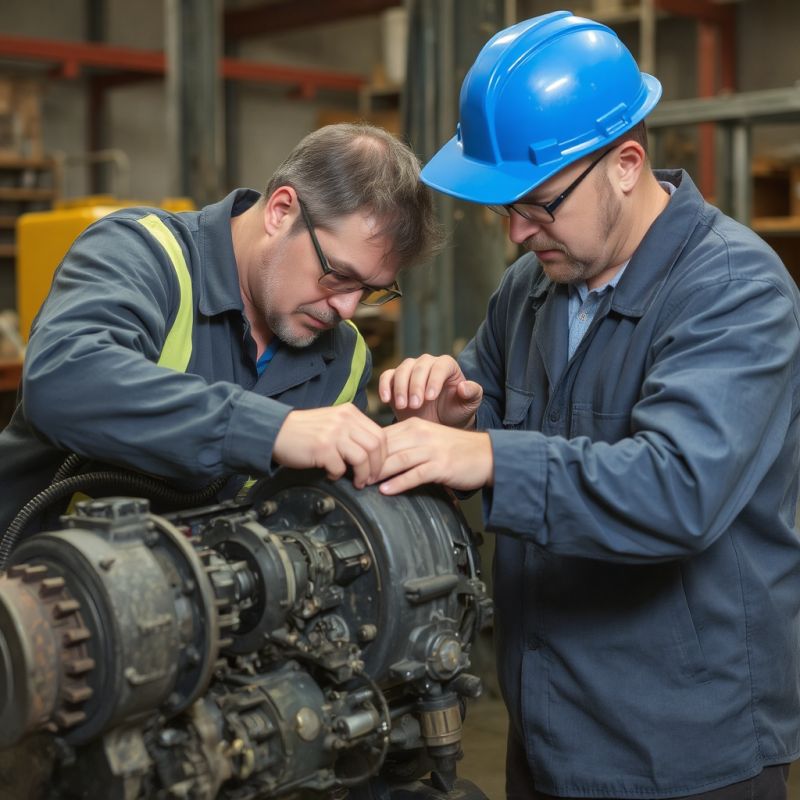
Maintenance is the work required to keep physical assets functional, reliable and safe. It includes inspection, servicing, repair and improvement activities that preserve performance over time.
For industrial organizations, maintenance is a core part of operational discipline because equipment availability directly affects production output and safety.
02
Why maintenance is important
- Maximizes reliability by reducing unexpected failures.
- Improves safety by keeping equipment within intended operating conditions.
- Extends service life by addressing wear before damage escalates.
- Optimizes cost by preventing emergency repairs and avoidable downtime.
03
Common maintenance strategies
- Preventive maintenance — planned tasks carried out at scheduled intervals.
- Corrective maintenance — repairs made after faults are found.
- Predictive maintenance — data-driven action based on condition or trend analysis.
- Condition-based maintenance — intervention triggered by the actual state of the equipment.
- Emergency maintenance — urgent work after an unexpected breakdown.
04
Challenges for modern maintenance teams
- Balancing labor, budgets and shutdown windows.
- Developing the skills required for advanced systems and diagnostics.
- Turning large volumes of asset data into useful decisions.
05
Conclusion
Maintenance is not only about fixing equipment. It is a strategic function that supports uptime, safety, efficiency and long-term asset value. Modern programs combine plant knowledge with digital tools to make maintenance more timely and effective.
Reference images
Article gallery